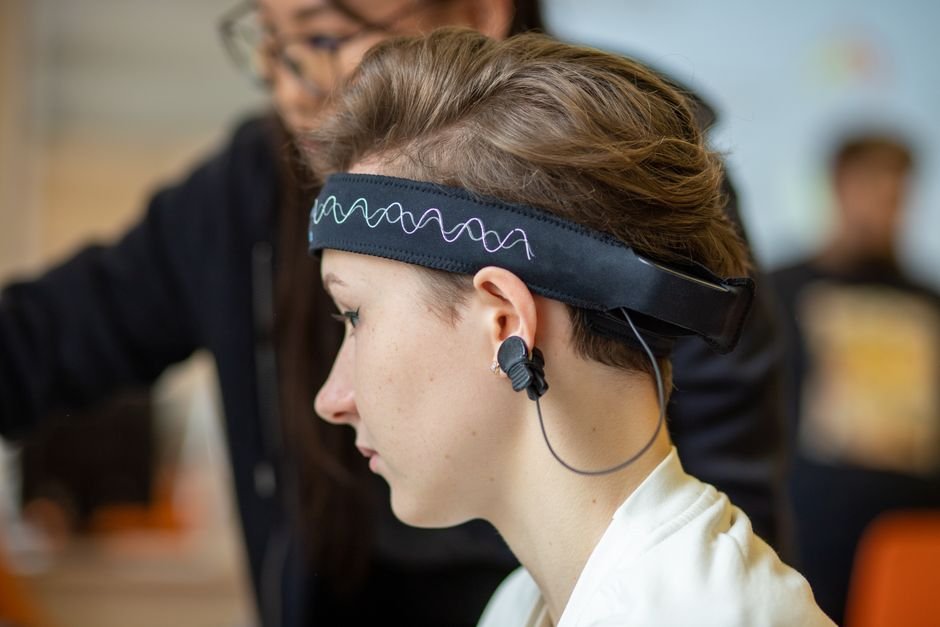
Top 10 Universities in USA for Neuroscience in 2026
By Anil Singh Bartwal · Updated 2026
Neuroscience sits at the crossroads of biology, psychology, and computing, and few fields are advancing faster. From mapping neural circuits to building brain-computer interfaces, the best programs give students access to serious labs, working clinicians, and faculty publishing at the edge of the discipline. If you are researching the top universities in USA for neuroscience, this ranked guide highlights ten institutions with outstanding neuroscience programs, explains what sets each apart, and shows how to compare labs, funding, and outcomes before you apply for 2026.
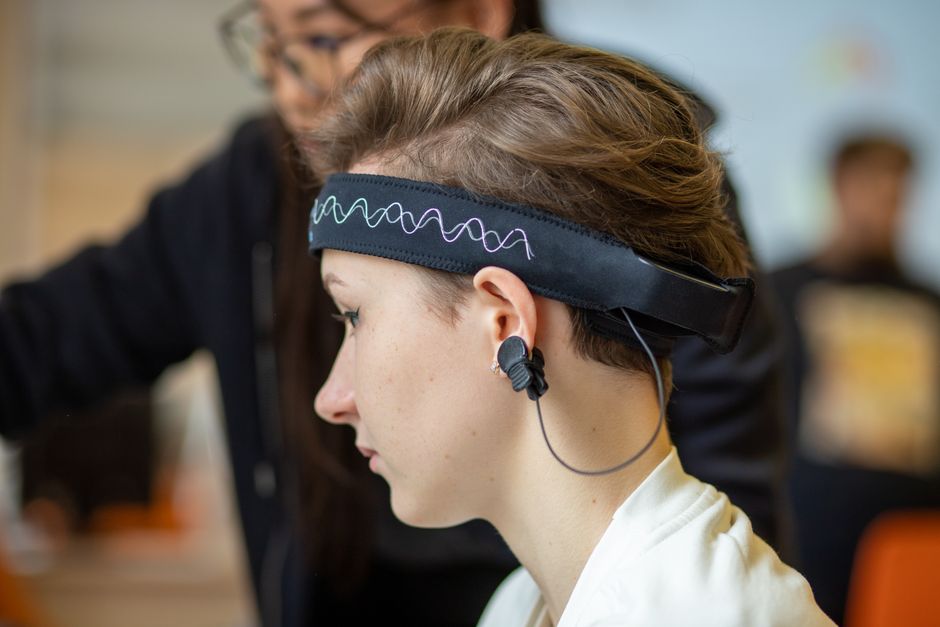
1. Harvard University
Harvard’s Department of Neurobiology and its affiliated Center for Brain Science bring together researchers across molecular biology, systems neuroscience, and cognitive science. Students gain access to state-of-the-art imaging facilities and collaborate with faculty tied to Harvard Medical School and nearby teaching hospitals. The sheer breadth of Harvard’s neuroscience community, spanning basic research to clinical translation, makes it one of the strongest launchpads in the country.
2. Stanford University
Stanford’s Wu Tsai Neurosciences Institute connects labs across biology, engineering, and medicine, with particular strength in optogenetics and neural engineering. The university’s proximity to Silicon Valley also opens doors into brain-computer interface startups and neurotechnology companies. Students benefit from generous research funding and an interdisciplinary culture that encourages combining neuroscience with computer science or bioengineering.
3. Massachusetts Institute of Technology
MIT’s McGovern Institute for Brain Research and Picower Institute for Learning and Memory are global leaders in understanding how neural circuits produce behavior and cognition. MIT pairs deep computational neuroscience training with cutting-edge tools for recording and manipulating brain activity. Students drawn to the intersection of artificial intelligence and biological brains will find few better environments anywhere in the world.

4. University of California – San Diego
UC San Diego’s neuroscience program benefits from close ties to the Salk Institute and a strong computational neuroscience community. The program is known for excellent training in systems and cognitive neuroscience, with faculty leading major initiatives in brain mapping. San Diego’s biotech corridor also gives students unusually direct paths into industry research roles after graduation.
5. Johns Hopkins University
Johns Hopkins has one of the oldest and most respected neuroscience departments in the country, with deep strength in molecular and cellular neuroscience as well as clinical neurology through its medical school. The Kavli Neuroscience Discovery Institute adds further momentum to an already formidable research base. Students benefit from close mentorship and access to major NIH-funded projects.
6. University of California – Berkeley
Berkeley’s Helen Wills Neuroscience Institute unites researchers from across campus, with particular strength in vision science, decision-making, and computational modeling of the brain. Its public-university tuition combined with elite research output makes it excellent value for in-state students. Berkeley also has strong connections to the broader Bay Area neurotechnology industry.
7. Columbia University
Columbia’s Zuckerman Institute is a purpose-built home for brain science, bringing together neuroscientists, psychologists, and engineers under one roof. The institute emphasizes translating basic discoveries about the brain into a better understanding of mental illness and neurological disease. Its New York City location also connects students to major hospitals and a dense clinical research ecosystem.
8. University of Pennsylvania
Penn’s neuroscience program benefits from a close relationship between its arts and sciences departments and the Perelman School of Medicine, giving students unusually direct exposure to clinical neuroscience. Strong labs in cognitive and behavioral neuroscience are complemented by growing computational and translational research groups. Philadelphia’s concentration of hospitals adds valuable clinical training opportunities.
9. University of Michigan – Ann Arbor
Michigan’s Neuroscience Program draws on one of the largest research universities in the country, with strengths spanning molecular, cellular, and behavioral neuroscience. Students have access to substantial funding, large core facilities, and a very active neuroscience graduate community. Michigan’s scale means students can often find a lab matching almost any specific research interest.
10. Duke University
Duke’s Department of Neurobiology, housed within its medical school, is known for excellent training in molecular and developmental neuroscience alongside a strong systems neuroscience community. Duke’s smaller cohort sizes mean closer faculty mentorship than at some larger programs, and its research funding remains highly competitive nationally. The university’s medical center adds valuable clinical and translational opportunities.
How to Choose the Right Neuroscience Program
When comparing the top universities in USA for neuroscience, start by looking at specific labs rather than department rankings alone. Neuroscience is broad, spanning molecular biology, systems neuroscience, cognitive science, and computational modeling, and a school strong in one area may be only average in another. Read recent faculty publications and reach out to labs whose work genuinely excites you before you apply.
Next, weigh funding, facilities, and outcomes. Public options such as Berkeley and Michigan can significantly reduce cost for in-state students without sacrificing research quality. Official tuition, enrollment, and completion data for every school is available from the National Center for Education Statistics (NCES), while career and salary outlooks for related research roles are published by the U.S. Bureau of Labor Statistics (BLS). Ask each program directly where recent PhD graduates ended up, whether in academia, industry, or clinical research.
Finally, consider how neuroscience connects to adjacent fields you might also weigh. Many prospective students compare it against clinical or data-driven paths, so our guides to the top universities in the USA for psychology and the top universities in the USA for data science can help you compare closely related options.
Before applying, put every program on your shortlist through a practical checklist so the final decision rests on evidence rather than reputation alone:
- Which specific labs match your research interests, and are they currently accepting students?
- Is funding guaranteed for the full length of the program, including stipend and tuition?
- What core facilities are available, such as imaging, electrophysiology, or computational clusters?
- Where did recent graduates land, in academia, industry, or clinical research roles?
- Does the program offer strong training in both wet-lab and computational methods?
- How large is the cohort, and what does day-to-day faculty mentorship actually look like?
Final Thoughts
The top universities in USA for neuroscience combine deep research funding, world-class labs, and faculty working at the frontier of brain science. Whether you are drawn to MIT’s computational strength, Johns Hopkins’ clinical depth, or Berkeley’s public-university value, the right choice depends on the specific labs and methods that match your interests. Verify funding guarantees, study placement records, and use official data to compare programs honestly. Talk to current graduate students where you can, since they will tell you candidly how supportive mentorship and lab culture really are. Choose carefully, and you will graduate ready to contribute to one of the most consequential scientific frontiers of the coming decade.